
Unlimited eSIM Data Plans That Keep You Connected Anywhere
Over 90% of modern smartphones are eSIM compatible, yet many users still rely on physical SIMs for their data. An eSIM unlimited data plan is a digital SIM profile that grants unrestricted internet access without needing a plastic card. It works by activating a network profile directly on your device, allowing instant switching between carriers and true freedom from data caps or throttling. To use it, simply scan a provided QR code or download an app to activate the plan instantly.
Why Travelers Are Switching to Digital SIMs
Travelers are switching to digital SIMs because an eSIM with unlimited data eliminates the anxiety of hunting for local SIM cards or rationing expensive roaming allowances. You land and instantly activate a reliable, high-speed connection, bypassing physical stores and language barriers entirely. This freedom means you can navigate, stream, and stay in touch without ever checking a data counter. You unlock spontaneous exploration, confident that map and translation tools will never cut out. Your connectivity becomes as seamless as your passport, adapting instantly to new countries without swapping physical chips. Notably, this approach transforms data from a limited commodity into a true utility for immersive travel. For the modern traveler, it’s simply the most frictionless path to staying relentlessly online.
How Embedded SIMs Simplify Global Roaming
Embedded SIMs simplify global roaming by eliminating the need to physically swap SIM cards when crossing borders. With an eSIM, travelers instantly activate a local or regional data plan upon arrival, avoiding expensive carrier roaming fees and the hassle of searching for plastic SIM vendors. This immediate connectivity is crucial for navigation, communication, and accessing travel apps. For those using unlimited data, an embedded SIM provides seamless, high-capacity access across multiple countries without changing providers or juggling multiple physical cards.
- Activate a new roaming plan remotely before or after landing.
- Switch between carriers or data plans via a settings menu, not a SIM tray.
- Maintain your home number for calls while using a separate eSIM for unlimited data.
The True Cost of Using a Physical SIM Abroad
Relying on a physical SIM abroad exposes travelers to inflated per-megabyte rates that silently drain budgets. Each carrier-specific plan forces you to pre-pay for a fixed allowance, often leaving unused data wasted or incurring punishing overage fees. The logistical cost of locating a local shop, purchasing a tourist SIM, and troubleshooting incompatible devices adds hidden expenses of time and stress. Worse, roaming charges from your home provider can multiply your bill tenfold for minimal usage, turning a quick trip into an unexpectedly expensive venture. These cumulative, unpredictable costs make physical SIMs a financial liability compared to fixed-rate alternatives.
The true cost of using a physical SIM abroad lies in inflated per-megabyte rates, wasted prepaid balances, and hidden charges that make connectivity unpredictably expensive.
Key Features That Define Modern Unlimited Data Plans
The defining feature of a modern eSIM unlimited data plan is its true network freedom, untethered from a physical SIM slot. You activate a local profile instantly via QR code, bypassing airport kiosks entirely. This immediacy allows you to switch between providers within the same app, choosing the strongest local tower. A key insight here is that “unlimited” now means uncapped throttling, not just high-speed data.
You realize the real luxury is not the gigabytes, but the ability to delete a stagnant plan and download a faster one from a train platform in a foreign country.
Modern plans also guarantee a stable hotspot tethering speed, so your laptop remains functional without counters. The final feature is automatic daily or monthly rollover of full-speed data before any deprioritization, ensuring your video call never stutters during peak hours.
Understanding Fair Use Policies and Data Caps
Understanding fair use policies and data caps is critical when evaluating eSIM unlimited data plans, as providers often enforce throttling after a specific high-speed threshold, typically between 20–50 GB. These policies define acceptable usage, prohibiting tethering abuse or excessive streaming to maintain network stability. A fair use policy may allow reduced speeds even within the “unlimited” label, contradicting the term’s literal promise. Identifying soft caps before purchase prevents surprises; reading the fine print for deprioritization triggers or video resolution limits ensures your heavy usage aligns with the provider’s traffic management rules.
Speed Limitations After Crossing Usage Thresholds
Once you cross the plan’s high-speed data threshold, your eSIM unlimited data speed caps typically drop to around 128 kbps or 256 kbps. This makes basic messaging and email work, but streaming video or large downloads become painfully slow. Some providers lift the cap during off-peak hours or offer a one-time speed boost for a fee. Others implement a rolling throttle, where your speed gradually reduces the more data you use over the limit. Always check if the cap is permanent or resets with your billing cycle to avoid surprises on a road trip.
Top Regions for Seamless High-Speed Connectivity
For eSIM unlimited data users, the top regions for seamless high-speed connectivity are Southeast Asia, Europe’s Schengen Area, and parts of East Asia. In Southeast Asia, Singapore, Thailand, and Malaysia offer robust 4G/5G networks with wide coverage, making them ideal for heavy streaming and video calls. Europe excels due to the single-market roaming agreement, allowing one eSIM plan to deliver consistent speeds across countries like France, Germany, and Spain without throttling. In East Asia, Japan and South Korea provide ultra-reliable high-speed connectivity in urban and suburban zones, though remote rural areas may see occasional slowdowns. For business travelers, these regions ensure your unlimited data plan maintains strong bandwidth for real-time collaboration tools and large file transfers, provided you choose a provider with native carrier access rather than deprioritized MVNOs.
Europe’s Blazing Fast Networks Without Extra Fees
For those seeking seamless high-speed connectivity in Europe, an eSIM with unlimited data unlocks blazing fast networks without the sting of extra fees. Roaming across countries like Germany, France, and Spain, you stay connected on premium 5G infrastructure without paying per-gigabyte surcharges or daily roaming charges. This means lag-free video calls, instant 4K streaming, and rapid downloads as you move between borders—all covered under one flat-rate plan.
- Access multi-gigabit 5G speeds in major cities with no throttling.
- Switch networks automatically between EU nations with zero roaming costs.
- Enjoy consistent low latency for real-time collaboration or gaming.
Asia Pacific Hotspots with Attractive Data Bundles
For travelers seeking Asia Pacific hotspots with attractive data bundles, eSIM unlimited data plans target specific high-destination corridors. Singapore offers robust 5G coverage with bundles often including Malaysia and Indonesia for a seamless regional experience. South Korea’s plans prioritize ultra-fast speeds in Seoul and Busan, frequently pairing with Japan for cross-border use. Thailand and Vietnam dominate with budget-friendly unlimited packages that include priority access on major networks like AIS and Viettel. Accessing these bundles typically involves:
- Selecting a regional eSIM (e.g., “Asia Pacific”) covering multiple countries in one purchase.
- Activating upon landing to tap local carrier partnerships without roaming slowness.
- Managing data caps via the provider’s app to avoid throttling during peak hours.
Comparing Prepaid vs. Subscription-Based Options
When comparing prepaid vs. subscription-based options for eSIM unlimited data, the main difference is control versus convenience. Prepaid lets you pay once for a set period—great for short trips or testing a network without commitment. Subscriptions auto-renew monthly, often offering lower per-month rates or family plans if you travel frequently. Which is cheaper long-term? It depends on usage: a prepaid plan for a 30-day trip is cheaper than two months of subscription fees, but if you travel every month, a subscription usually saves money. Prepaid avoids surprise charges, while subscriptions risk you paying for idle months. Choose prepaid for occasional travel; subscriptions for regular, ongoing data needs.
Flexibility of Short-Term Travel Passes
Short-term travel passes offer granular flexibility for eSIM unlimited data users, allowing activation only during actual trips. Unlike subscription-based plans that lock users into recurring monthly billing, these passes permit purchasing a dedicated validity window—typically 7, 15, or 30 days—after which service expires without further cost. This structure avoids paying for idle days at home, making it ideal for sporadic travelers. A pass can be activated hours before departure and immediately disabled upon return, preventing wasted coverage. The trade-off involves a higher per-day cost compared to annual subscriptions, but the no-commitment trip-by-trip control ensures users pay strictly for active roaming periods, not calendar months.
Long-Term Plans for Frequent Flyers and Nomads
For digital nomads and frequent flyers, a prepaid unlimited data eSIM often wins over subscriptions that lock you into a single regional pool. With prepaid global plans, you can activate a 30- or 90-day pass just before a long stint in Southeast Asia, then let it expire without penalty when you land in South America. This flexibility lets you match your long-term travel data strategy to shifting destinations instead of paying monthly for zones you won’t visit. Many nomads stack two prepaid plans—one for current region, one as a backup—ensuring seamless coverage without the commitment of a recurring bill.
Device Compatibility and Activation Steps
When I switched to an eSIM unlimited data plan while traveling, the first hurdle was checking if my phone supported it. Most recent iPhones (XS and newer) and high-end Android models (like Samsung S20 or Google Pixel 4 and up) work, but not all carriers list compatibility clearly. I found the activation steps simple: after purchasing online, I scanned a QR code sent via email—within seconds, the profile installed. *Common Q&A: “Does my device need to be unlocked?” Yes—for most eSIM unlimited data plans, an unlocked phone is required to activate.* On a backup device, I had to manually enter the SM-DP+ address and activation code, but the process still took under two minutes per line.
Checking Your Phone’s Compatibility With Digital Cards
Before activating your eSIM unlimited data, you must verify your device supports digital card profiles. Start by navigating to your phone’s settings menu and searching for “eSIM” or “digital SIM.” If the option is absent, your handset likely lacks the required hardware. Most recent flagship models from Apple, Google, and Samsung include this feature, but older or budget devices may not. Confirm eSIM compatibility by checking your phone’s official specifications online or entering your IMEI on the carrier’s website. Skipping this step risks a failed activation, wasting time and data.
Installing and Activating a Plan in Minutes
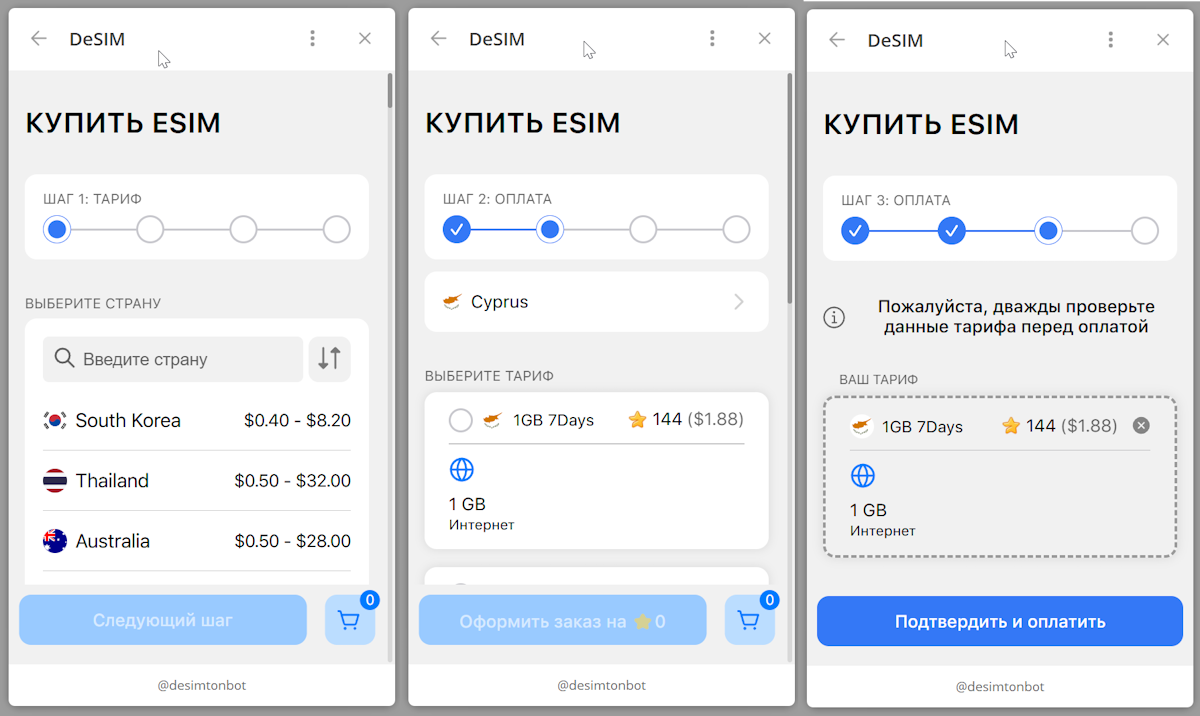
After purchasing your eSIM unlimited data plan, installation and activation completes in minutes. Simply scan the provided QR code or manually enter the activation details. Your device instantly downloads the profile; no physical SIM swap is needed. Once installed, toggle the eSIM line on in your settings. Within two minutes, you connect to the local network and start using unlimited data immediately—no waiting for provisioning or store visits.
| Step | Estimated Time |
|---|---|
| QR Code Scan | Under 1 minute |
| Profile Installation | 30 seconds |
| Network Connection | Approx. 1 minute |
Hidden Fees and How to Avoid Them
When I activated my eSIM unlimited data plan for a trip, I thought the displayed price was final. A week later, I spotted a charge for “network management.” The real cost crystallized only when I read the footnote. To avoid this, always check if “unlimited” includes throttling after a certain GB—mine kicked in at 50GB. Some providers add fees for tethering or high-speed access. Q: How do I spot hidden fees before buying? A: Search online for “eSIM unlimited data hidden fees” and look for user reports about billing surprises. I now use a prepaid plan with a real-time usage dashboard to catch extras immediately.
Unmasking Tethering and Tethering Restrictions
Many “unlimited” eSIM plans mask a hidden fee by heavily restricting your ability to tether. This trick effectively makes your phone’s hotspot useless after a few gigabytes. Before purchase, always check the fine print for tethering caps. A plan might say “unlimited data” but throttle hotspot speeds to 128kbps, which is barely enough for email. Always verify hotspot data limits to avoid this surprise. Q: Why do eSIM providers limit tethering on “unlimited” data? A: They often separate hotspot data from on-device data to manage network congestion and upsell more expensive plans, turning your “unlimited” offer into a tethered bottleneck.
International Calling Add-Ons and Their Real Costs
An eSIM unlimited data plan often obscures the true cost of international calling through separate add-ons. While data is unlimited, voice minutes typically require a purchased bundle, with rates that vary drastically by destination. These add-ons rarely advertise per-minute costs clearly; a $10 “international calling pack” might only cover 30 minutes to a specific country, not all zones. You must verify if the add-on covers mobile or landline numbers, as mobile rates are frequently double. Additionally, some providers charge a daily connection fee simply for activating the add-on, even if no call is completed. Always inspect the detailed rate card before buying.
Security Benefits of Using a Digital Profile
The digital profile for your eSIM unlimited data is your lockbox, not a wallet you flash in public. Unlike a plastic SIM that can be physically stolen and swapped, this profile is a cryptographically sealed identity file stored on the device’s secure element. I remember losing my phone abroad; the panic faded fast because my profile was dead without my biometric unlock. A thief couldn’t rip out a chip and use my unlimited data. Q: What happens if my device is compromised? A: The digital profile requires a secure authentication handshake with the network for each data session, so even if someone clones your app data, they cannot activate the unlimited plan without your PIN or biometrics. Each connection is verified, not blindly trusted.
Protecting Your Primary Number While Abroad
Protecting your primary number while abroad is a critical security advantage of using an eSIM for unlimited data. By keeping your physical SIM deactivated or removed, you prevent your home number from being exposed to local network vulnerabilities or SIM-swap attacks. This practice ensures your two-factor authentication codes and banking alerts remain secure, routed through the dormant line. To maintain this protection, follow this sequence:
- Disable your primary SIM in settings.
- Activate your travel eSIM as the data source.
- Forward essential calls via voicemail or Wi-Fi.
With an eSIM, your primary number stays isolated, drastically reducing your risk of identity theft or unauthorized account access. Protecting your primary number this way is effortless yet paramount.
Encryption Standards in Cloud-Based Connections
Encryption standards in cloud-based connections for eSIM unlimited data rely on TLS 1.3 and AES-256 to secure data between the device and carrier cloud servers. These protocols encrypt the eSIM profile provisioning process, ensuring that cryptographic keys and authentication tokens remain unreadable during transmission. Unlike static SIMs, cloud-based encryption must re-negotiate secure channels each time the device switches networks to keep throughput consistent with unlimited data usage. End-to-end encryption layers prevent interceptors from reconstructing browsing history or app data from the encrypted tunnel, even if the cloud connection is temporarily rerouted.
Real-World Use Cases for Heavy Data Consumers
For heavy data consumers, eSIM unlimited data transforms how you maintain connectivity during intense workflows. Real-world use cases center on eradicating Wi-Fi dependency, enabling seamless 4K video streaming and large file transfers (like 50GB+ raw photo dumps) directly from a mobile hotspot to your laptop on a train or in a remote café. Frequent travelers bypass physical SIM swaps, instantly activating a second unlimited line for dedicated work while keeping a local carrier number for personal calls. This eliminates round-robin data management across multiple devices, allowing your tablet, phone, and laptop to share one unrestricted pool.
The key insight: heavy users avoid throttling penalties by selecting eSIM plans with true unlimited speed tiers, not just high caps, ensuring latency-sensitive tasks like VPN tunnels or cloud renders stay stable.
For digital nomads, it replaces unreliable public Wi-Fi entirely, turning a single device into a persistent, high-bandwidth router for entire production teams.
Streaming and Video Calls Without Interruptions
For heavy streamers and video callers, **eSIM unlimited data** erases the frustration of buffering and dropped connections. You can binge 4K shows or hop on Zoom during a commute without hunting for Wi-Fi. A stable, high-speed connection keeps your video crisp and lag-free, whether you’re on a train or in a café. Buffer-free streaming and crystal-clear video calls become the norm, not a luxury.
Q: Will streaming 4K video drain my eSIM’s speed for calls?
No, because unlimited data plans typically maintain consistent speeds for both tasks, so your video call won’t lag even if someone else in your group is streaming simultaneously.
Remote Work Reliance on Globally Consistent Access
For remote workers, globally consistent access is non-negotiable. An unlimited eSIM data plan ensures you can hop on Zoom calls, sync large files, or access cloud tools without hiccups, whether you’re in a coworking space in Lisbon or a café in Tokyo. You simply log in and work, skipping the scramble for local SIMs or unstable public Wi-Fi. This steadiness keeps your workflow smooth and your deadlines met, no matter the time zone or country.
Future Trends in Mobile Connectivity
Future connectivity will pivot on eSIM unlimited data as networks adopt satellite integration, letting you use data from literally anywhere, not just cell towers. Devices will seamlessly switch between local 5G and low-earth-orbit signals, making the unlimited plan truly limitless in coverage. Your phone will automatically activate the cheapest, fastest network slice for each app, with no manual SIM swapping required. This means carrier-agnostic streaming becomes standard: you’ll buy one global eSIM unlimited plan and never think about roaming again.
Integration With IoT Devices and Wearables
Integration with IoT devices and wearables becomes seamless with eSIM unlimited data, as it allows a single data plan to connect a smartwatch, fitness tracker, or health monitor without requiring separate physical SIMs. For instance, your smartwatch can stream navigation and health metrics independently, while an IoT sensor in your car sends diagnostic alerts, all drawing from the same unlimited pool. This eliminates pairing constraints, as each device authenticates via the eSIM’s remote provisioning. The primary efficiency is context-aware data allocation, where the network automatically prioritizes bandwidth for a wearable’s live heart-rate feed over a thermostat’s periodic check-in. How does unlimited eSIM data prevent battery drain on a wearable? By offloading data-intensive tasks—like cloud syncing—to the phone’s eSIM connection, the wearable’s battery only handles lightweight, low-power signals for alerts or sensor pings, extending its runtime significantly.
Potential Mergers With Satellite Networks
Picture your eSIM unlimited data plan suddenly working from a remote mountain summit. That’s the promise of merging cellular networks with satellite systems. Instead of hunting for a fragile signal, your phone could smoothly hop between a cell tower and a low-orbit satellite. This means your eSIM unlimited data satellite roaming could keep streaming and browsing alive even in dead zones, like during a cross-country hike China eSIM or a ferry crossing. No separate satellite phone needed—just a single data pool that switches networks seamlessly in the background.
What Unlimited eSIM Data Actually Means for Travelers and Remote Users

How Unlimited Data Differs from Traditional SIM Roaming Plans
What “Unlimited” Typically Covers: Speed Caps, Fair Use, and Throttling Policies
Step-by-Step Guide to Activating an Unlimited eSIM Plan
Checking Device Compatibility for eSIM Unlimited Data